
Namaskar! Have you ever thought that the leaves used in the preparation of your favorite Indian dishes could do much more than adding flavor? Well, if ever you’ve used curry leaves-known among locals as curry patta-you may be surprised to learn that these aromatic leaves, often regarded as a garnish in Indian cuisine, are actually full of health benefits. They are not just a flavoring agent but an ancient medicinal herb which has been among the basic ingredients in Ayurvedic and traditional medicine for centuries.
Native to India and Sri Lanka, curry leaves originate from the plant Murraya koenigii of the Rutaceae family. These leaves have various medicinal values, including antioxidant, anti-inflammatory, anti-diabetic, and even anti-cancerous properties.
Let’s go into great detail about the several curry leaves benefits that assure a definite transformation in your hair, skin, digestion, and overall health once added to your daily routine. In this blog, we look at everything from the nutritional value of curry leaves to how you can best introduce them into your diet to assure maximum benefits.
What are curry leaves?
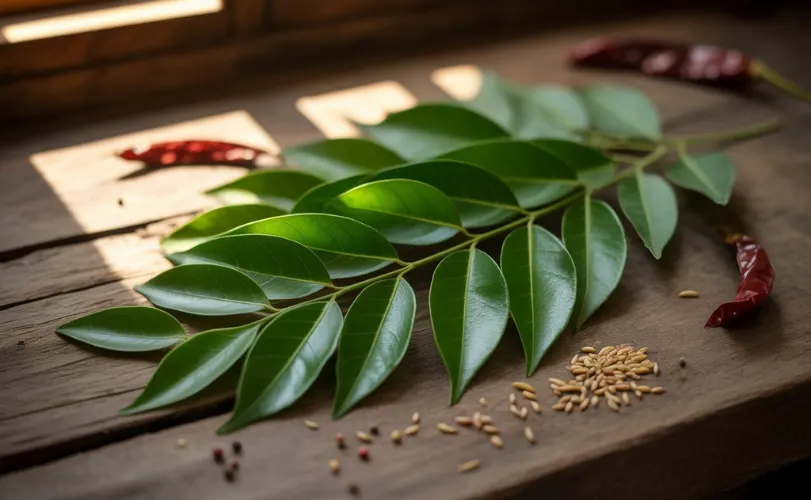
Curry leaves are tiny, aromatic green leaves indigenous to India, which have been used for several culinary and medicinal purposes since time immemorial. They have a slightly bitter and citrusy flavor, being an essential part of South Indian cooking as they add depth and complexity to any curry, soup, rice dish, or chutney.
Though they can be widely used in culinary applications, curry leaves have medicinal uses well beyond the kitchen. Rich in essential vitamins, minerals, and antioxidants, they have been touted as an excellent natural remedy for everything from digestive issues to skin problems.
Nutritional Composition of Curry Leaves
Curry leaves are rich in vital nutrients that can help you keep healthy and fit. The following is a brief nutritional summary of curry leaves per 100 grams:
| Nutrient | Amount per 100g |
|---|---|
| Calories | 66 kcal |
| Carbohydrates | 14.1 g |
| Protein | 6.1 g |
| Fat | 1.0 g |
| Dietary Fiber | 6.4 g |
| Calcium | 830 mg |
| Iron | 15 mg |
| Magnesium | 105 mg |
| Vitamin C | 240 mg |
| Vitamin A | 6186 IU |
| Vitamin B6 | 0.1 mg |
| Vitamin E | 0.8 mg |
| Vitamin K | 300 µg |
| Phosphorus | 57 mg |
| Potassium | 492 mg |
As you can see, the calcium content of curry leaves is impressively high; thus, this is an excellent source to improve your bone health. The high content of iron and magnesium ensures good blood flow and efficiency in the muscles, while vitamins like vitamin A and vitamin C are important for skin health, good eyesight, and immunity.
Read – सबसे ज्यादा प्रोटीन किसमें होता है?
10 Amazing Health Benefits of Curry Leaves
Rich in Antioxidants
Curry leaves contain antioxidants such as flavonoids and phenolic acid, which help neutralize harmful free radicals in the body. The antioxidants protect cells from oxidative stress, slow down aging, and lower the risk of chronic diseases such as cancers and heart disease. Vitamin C and vitamin A further enhance the body’s ability to fight free radicals.
Improves digestive health.
Curry leaves are primarily known for their digestion aid capability. The benefits of consuming curry leaves include the stimulation of digestive enzymes, which aid in the breakdown of food more efficiently. Thus, curry leaves are rather helpful in digestive problems commonly faced, such as indigestion, bloating, and constipation. In addition, regular intake of curry leaves can impart a gentle laxative effect, easing bowel movements.
Helps in blood sugar management
For people with diabetes, curry leaves can be very beneficial. Studies say that curry leaves improve insulin sensitivity and maintain blood sugar levels under control. Curry leaves medicinal uses for diabetes management include helping to reduce insulin resistance and slowing down the digestion of starches into sugars, thereby maintaining blood sugar levels at a stable value throughout the day.
Promotes Hair Growth
Curry leaves are one of the most vital constituents in traditional remedies for maintaining healthy hair. Rich in proteins and beta-carotene, curry leaves help in strengthening hair follicles, preventing hair fall, and promoting growth. Moreover, the antioxidant and anti-inflammatory properties of curry leaves also nourish the scalp, prevent early graying of hair, and improve overall hair health.
Improves skin health
Curry leaves can be your skin’s best friend if you want to improve your complexion and combat the signs of aging. Vitamin E in curry leaves nourishes the skin, enhances collagen production, and aids in repairing damaged skin. Their anti-inflammatory properties can also be used to soothe irritated skin, reduce acne, and help with conditions like eczema or psoriasis.
Supports Heart Health
Curry leaves have a major role in keeping the heart healthy. Compounds such as rutin and tannins in curry leaves help in reducing LDL cholesterol and triglycerides, which lower the risks of heart disease. Their antioxidant nature also shields the blood vessels from damage via oxidative stress, thereby further boosting cardiovascular health.
Strengthens Immunity
Curry leaves are rich in vitamin C, which is known for enhancing immunity. Regular consumption of curry leaves fortifies the body’s immune system to fight infection, reduce inflammation, and enhance the overall immune response.
Aids Weight Loss
Curry leaves can also assist individuals on a journey of weight management. High in fiber, they can easily aid digestion, metabolic activity, and inhibit the absorption of fat. The leaves are also responsible for regulating cholesterol and blood sugar levels, further promoting healthy weight loss.
Liver function support
Curry leaves are said to possess hepatoprotective properties, which means they protect the liver and keep it healthy by minimizing the effects of toxins. They assist in the detoxification process of the body and help the liver get rid of harmful substances.
Promotes Healthy Eyesight
The high vitamin A content in curry leaves is good for healthy vision. Consumed regularly, it can ward off eye problems like cataracts and potentially improve eye health.
Read – How to Read the Love Marriage Line in Female Hand
How to Use Curry Leaves for Maximum Benefit
Now that we have seen a number of benefits associated with curry leaves, let’s look into how you can include them in your routine.
Chew fresh curry leaves on an empty stomach.
It is believed that one of the best ways of having curry leaves is chewing 4-5 fresh leaves on an empty stomach every morning. This would result in maximum absorption of their antioxidants and digestive enzymes. It is very useful as it helps in regulating the level of blood sugar and aids in better digestion.
Curry leaves water
Here are some of the uses of drinking curry leaves water: it detoxifies the body, improves digestion, and controls blood sugar. You need to boil a handful of them in water and drink the water first thing in the morning for better results.
Curry leaves and buttermilk
In a glass of buttermilk, add a mixture of curry leaves, a pinch of cumin powder, and a little rock salt for a refreshing drink that acts as an excellent tonic for boosting digestion. It helps in cooling the digestive system and gives an energetic feel throughout the day.
Curry Leaf Powder
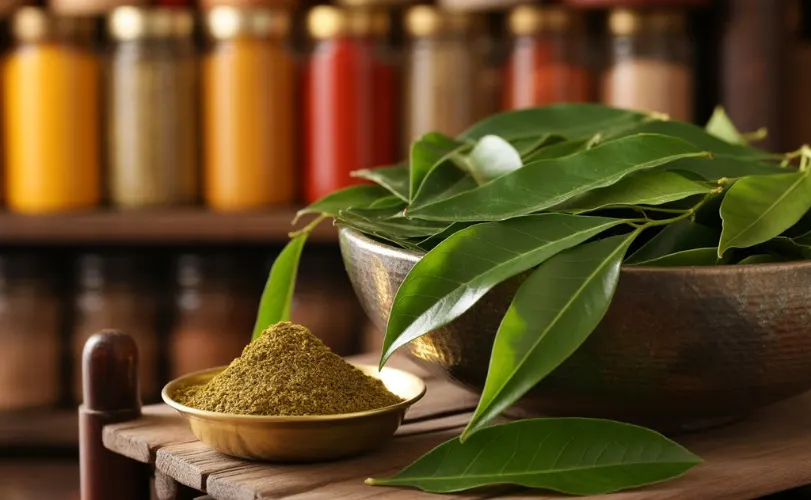
Another convenient way to consume curry leaves is in powder form. Dry roast curry leaves, grind them into a fine powder, and sprinkle over rice, dal, or vegetables. This is a very simple thing but serves to enhance flavor and has its share of medicinal value.
Curry Leaves In Cooking
You can also infuse fresh curry leaves into your cooking. Tempering them in hot oil, especially in Indian curries, dals, soups, and chutneys, releases their essential oils and flavors your dishes while providing a dose of health benefits.
How Many Curry Leaves Should You Consume Per Day?
Although there is no strict rule as to how many curry leaves you should take in a day, experts say 8-10 fresh curry leaves daily would be good. Some can be consumed up to 15 leaves a day for better results, especially for people controlling blood sugar and cholesterol. For curry leaf powder, one-quarter to half a teaspoon a day taken twice a day would suffice.
Side Effects of Eating Raw Curry Leaves
Although curry leaves are generally harmless for most people, excess consumption in large quantities can be adverse and may cause a little discomfort to your stomach, such as bloating or indigestion. It’s best to start off with small quantities and observe your body’s reaction. If you happen to be on medication for hypertension or diabetes, it will be prudent to consult your doctor before increasing the intake of curry leaves, as in certain cases, curry leaves might increase the potency of medications.
Conclusion
Curry leaves, which are largely underestimated for their role in food, are actually a powerhouse of nutrition with a wide range of health benefits. From aiding digestion to boosting immunity, promoting hair and skin health, to supporting heart functions, curry leaves are not to be underestimated. Whether raw, powdered, or added to your cookware, curry leaves offer an easy and effective way to improve your general health. Integrating curry leaves into your daily routine can bring innumerable benefits, elevating your health in a truly natural and holistic way. Let curry leaves work wonders in your life, and you will be convinced of its benefits within a couple of weeks. Your body will thank you for it!
FAQS About Curry Leaves
What are the main health advantages of curry leaves?
The health benefits of curry leaves include improving digestion, promoting hair and skin health, regulating blood sugar levels, maintaining heart health, and boosting immunity. They contain antioxidants, vitamins, and minerals such as vitamin C, calcium, and iron that help in fighting against oxidative stress, promoting overall vitality, and improving various bodily functions.
How do I take curry leaves for maximum benefits?
The best ways of having curry leaves are chewing fresh leaves on an empty stomach, drinking curry leaf water, or incorporating them into your daily cooking. You can also blend the leaves into buttermilk or make a curry leaf powder to sprinkle over dishes. For hair and skin benefits, you can apply coconut oil infused with curry leaves to your scalp or skin.
How many curry leaves can be consumed every day?
Experts recommend 8-10 fresh curry leaves per day for maximum health benefits. Those who prefer the powder may have ¼ to ½ teaspoon twice a day, while those making their teas or adding them to whatever recipe can be made with the herb should use 10-12 leaves.
Are there any side effects of consuming curry leaves?
Curry leaves are generally not harmful for most people in moderation. However, if a large quantity is consumed, one may experience mild digestive discomfort, such as bloating or gas. Individuals taking certain medications, especially for diabetes or hypertension, should consult with their doctor before increasing their intake of curry leaves significantly, since the leafy greens may interfere with their medication.
Are curry leaves able to promote hair growth?
Yes, curry leaves do help in hair growth and preventing hair fall. They are rich in nutrients like beta-carotene and protein, which strengthen hair follicles, prevent hair graying before its time, and improve scalp health. You could massage curry leaf oil into your scalp or eat curry leaves frequently to ensure healthy and strong hair.
Read – Top Ways to Reduce Melanin and Brighten Your Skin Naturally



Rajneesh Tailor is an astrologer with deep knowledge of stars, planets, numerology, palm reading, and gemstones. He comes from a respected family with over 60 years of experience in astrology and spiritual guidance. Rajneesh helps people understand the challenges in their lives and offers accurate, practical solutions. He also recommends the most suitable gemstones based on astrology to bring good luck, harmony, and success. People from across the world trust his guidance and value his clear and insightful advice.