- What are Sabja Seeds?
- Health Benefits of Sabja Seeds
- Sabja Seeds Side Effects for Females
- How Many Sabja Seeds Per Day Should You Consume?
- Basil Seeds Benefits by Sabja Seeds vs. Chia Seeds
- Sabja Seeds Ke Fayde (Benefits of Sabja Seeds)
- How to add Sabja Seeds into Your Diet
- Frequently Asked Questions About Sabja Seeds
Sabja seeds, often known as basil seeds, have been gaining popularity in recent years due to their incredible health benefits. These tiny, nutrient-packed seeds are a powerhouse of vitamins, minerals, and antioxidants, offering a range of benefits that can support everything from digestive health to skin care. In this comprehensive guide, we’ll explore many benefits of sabja seeds, including how they can positively impact your health and wellness, their potential side effects, and how to incorporate them into your diet. We’ll also answer some frequently asked questions like how many sabja seeds per day and more.
What are Sabja Seeds?
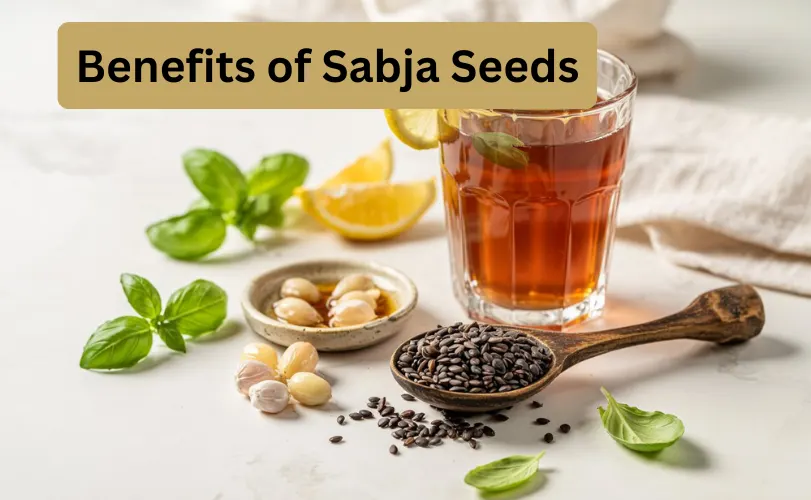
Sabja seeds are the seeds of sweet basil plant, which is different from holy basil, or Tulsi. They are small, black seeds that swell when they come in contact with water, forming a gelatinous coating over the seed. Sometimes mistaken for chia seeds, these are from a different genus altogether. They have been used since ancient times in Ayurveda, more so in South Asian countries like India.
Besides medicinal use, basil seeds have also been used as a popular ingredient in drinks, smoothies, and desserts, especially in Southeast Asia countries. They have a cooling property and are great consumption during hot seasons.
Now, let us deeply know the health benefits of sabja seeds and how you can incorporate them into your daily regimen.
Health Benefits of Sabja Seeds
1. Nutrient Rich
Sabja seeds are basically a powerhouse of various important nutrients: rich in fiber, protein, and healthy fats, especially omega-3 fatty acids; antioxidants; vitamins like vitamin K, calcium, and iron; minerals such as magnesium and phosphorus. In general, these nutrients combine to take care of your health, from your skin to your heart.
2. Improves Digestion
Among most valued benefits of sabja seeds is their efficiency in aiding digestion. A high amount of fiber present in these seeds promotes healthy digestion, regulating bowel movements and preventing constipation. The mucilage formed after soaking sabja seeds in water soothes the digestive tract and relieves symptoms such as bloating or gas.
3. Promotes Weight Loss
Working out a plan for weight loss, it is a good idea to include sabja seeds in your diet. Large amounts of fiber and water in these seeds can help you stay full longer and thus lower your overall calorie consumption. Additionally, basil seeds contain healthy fats that contribute to a better metabolism, promoting weight loss.
4. Regulates Blood Sugar Levels
In a diet of diabetic patients, inclusion of Sabja seeds has been proven to be very promising because it regulates and balances the sugar levels in blood. These seeds contain a low glycemic index and do not raise blood sugar suddenly. Also, the fiber content helps in slowing down the absorption of sugar into bloodstream, thus maintaining the glucose level during the entire day.
5. Supports Skin Health
The antioxidants and anti-inflammatory properties of sabja seeds help promote clear, glowing skin. The seeds detoxify the body by flushing out toxins, which can result in fewer breakouts and give one a much smoother complexion. Sabja seeds are also known to help with conditions like acne and eczema due to their ability to balance hormone levels and improve skin elasticity.
Read सबसे ज्यादा प्रोटीन किसमें होता है?
6. Enhances Immune System
Basil seeds have immune-boosting properties, hence another reason to incorporate them into your daily diet. The small seeds act as a powerhouse of vitamins and minerals, thereby aid in strengthening the immune system. Thus, it becomes easy for your body to combat different infections and sicknesses. Antioxidants present in sabja seeds help in combating free radicals that scavenge cells and further lead to chronic diseases.
7. Improves Heart Health
High levels of omega-3 fatty acids in sabja seeds allow them to improve heart health. Omega-3s are known for their ability to reduce inflammation, lower cholesterol levels, and reduce the risk of heart disease. With basil seeds, anyone can endeavor toward better cardiovascular health.
8. Improves Hydration
Sabja seeds are incredibly hydrophilic, meaning they can absorb large amounts of water when soaked. This property makes them an excellent addition to drinks and smoothies, especially during hot weather, as they can help keep you hydrated. The mucilage that forms around the seeds can also have a cooling effect on the body, making them a great choice to prevent dehydration during summer.
Sabja Seeds Side Effects for Females
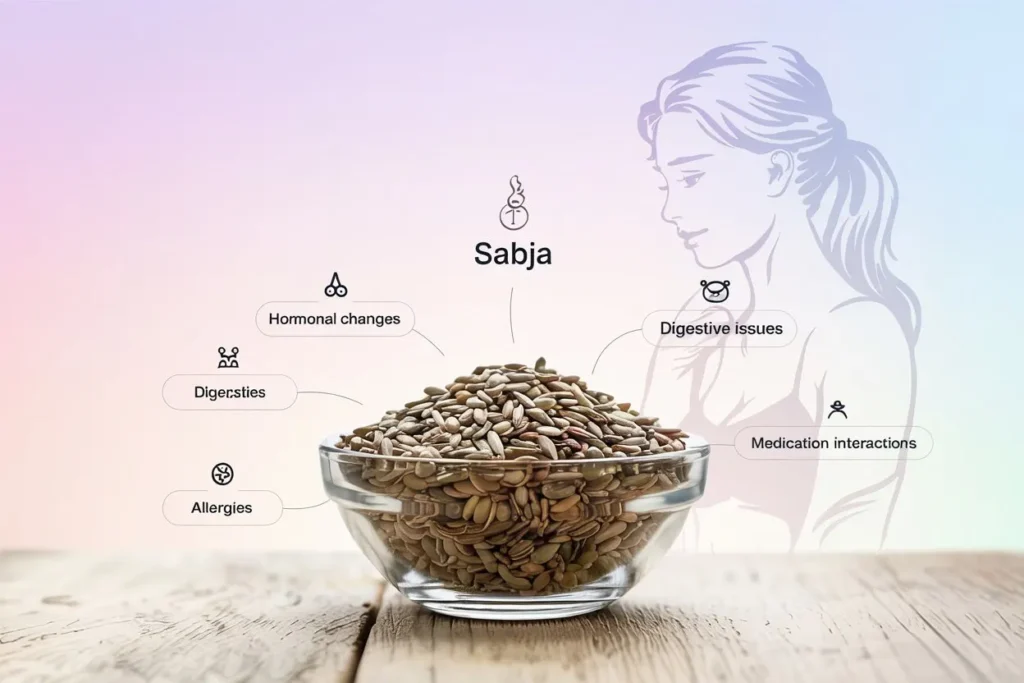
Though sabja seeds are very beneficial for health, there may be a few side effects of sabja seeds in females and even males. Sabja seed is usually safe when taken in moderation. But, if one consumes it excessively, then there can be some side effects.
1. Hormonal Imbalance
Excessive intake of sabja seeds may cause hormonal imbalances due to the phytoestrogens they contain, especially in women, which might lead to irregular periods or other forms of hormonal disturbance. The consumption of sabja seeds by ladies who are pregnant or lactating should be preceded by consultations with their healthcare providers.
2. Allergic Reactions
Some people might develop an allergy to sabja seeds; common signs are itching, rashes, or swelling. If any of these indications appear after consumption, it is advisable to discontinue the use of sabja seeds immediately and consult a doctor.
3. Gastrointestinal Discomfort
Sabja seeds are highly fibrous, and hence excessive intake of them may result in gastrointestinal discomfort-manifesting as bloating, gas, or diarrhea. It’s better to start with a small amount and increase the dose progressively to get your digestive system adjusted.
4. Interaction with Medications
These seeds can interact with your medication if you are on medication for diabetes and other chronic conditions. The seeds have shown to lower blood sugar levels, so it is dangerous for people who are already taking medication that controls blood sugar because too many of these seeds may cause hypoglycemia. Always consult your doctor before adding sabja seeds to your diet if you are on any medication.
How Many Sabja Seeds Per Day Should You Consume?
When it comes to the right amount of sabja seeds per day, moderation is key. The ideal serving size is usually around one to two teaspoons of sabja seeds soaked in water. This is enough to reap the benefits of sabja seeds without overdoing it. Soaking the seeds in water for at least 15 minutes before consuming them allows them to expand and form a gelatinous coating, making them easier to digest and absorb.
It’s important to remember that while sabja seeds are highly nutritious, they should be consumed as part of a balanced diet. They can be added to smoothies, yogurt, or even made into a refreshing drink by soaking them in water with lemon or honey.
Basil Seeds Benefits by Sabja Seeds vs. Chia Seeds
When discussing the benefits of basil seeds, it’s important to compare them to their more well-known counterpart-chia seeds. Both types of seeds are similar in terms of nutritional content and health benefits, but they differ in a few key areas.
Omega-3 Fatty Acids: Both chia and basil seeds are rich in omega-3s, though chia seeds contain slightly higher amounts.
Fiber Content: Basil seeds tend to have a bit more fiber than chia seeds, which may make them more beneficial for digestive health.
Hydration: Both seeds absorb water, but basil seeds tend to absorb more, which makes them particularly hydrating in hot climates.
While both chia and basil seeds offer significant health benefits, sabja seeds are more commonly used in traditional medicine and have a more cooling effect on the body, making them an ideal choice during summer months.
Read – Moringa Powder Benefits in Hindi
Sabja Seeds Ke Fayde (Benefits of Sabja Seeds)
For those who prefer to learn sabja seeds ke fayde are numerous and include improved digestion, weight loss, skin health, and heart health. In Hindi, sabja seeds are often praised for their cooling properties and ability to balance the body’s internal systems. If you’re looking for a natural remedy to improve your overall health, sabja seeds can be a valuable addition to your diet.
How to add Sabja Seeds into Your Diet
Now that you know all about the benefits of sabja seeds, you might be wondering how to incorporate them into your daily routine. Here are a few simple ways to enjoy sabja seeds:
Sabja Seed Drink: Soak sabja seeds in water for about 15 minutes and then add them to a refreshing drink with lemon, honey, and a pinch of salt.
Smoothies: Add a tablespoon of soaked sabja seeds to your favorite smoothie for an extra nutritional boost.
Yogurt Toppings: Sprinkle soaked sabja seeds over your yogurt for added texture and nutrition.
Desserts: Use sabja seeds to make traditional Indian desserts like falooda or simply mix them with rose syrup and milk.
Conclusion
The benefits of sabja seeds are vast and varied, ranging from improved digestion and weight loss to glowing skin and better hydration. These tiny, powerful seeds are a fantastic addition to any diet, offering a natural way to boost your health and well-being. Whether you’re consuming them to manage blood sugar, enhance your immune system, or simply enjoy a refreshing drink, sabja seeds can be a valuable part of your daily routine. However, always remember to consume them in moderation, particularly if you have any underlying health conditions or are pregnant or breastfeeding.

By understanding the many benefits of basil seeds and how to use them, you can make the most of this nutritional powerhouse in your health journey.
Frequently Asked Questions About Sabja Seeds
1. What are the benefits of sabja seeds?
Sabja seeds, also known as basil seeds, offer numerous health benefits. They are rich in fiber, antioxidants, vitamins, and minerals. Some of the key benefits include improved digestion, weight loss, better skin health, enhanced hydration, blood sugar regulation, and heart health. The high omega-3 fatty acid content in sabja seeds also supports overall wellness.
2. How many sabja seeds should I eat in a day?
It is generally recommended to consume about 1 to 2 teaspoons of soaked sabja seeds per day. Soaking the seeds in water for at least 15 minutes before consumption helps them expand, making them easier to digest and absorb. Always start with a small quantity to see how your body reacts, especially if you’re new to sabja seeds.
3. Do sabja seeds have any side effects for females?
While sabja seeds are safe for most people, excessive consumption can lead to some side effects, particularly for females. Potential side effects include hormonal imbalances due to the phytoestrogens in the seeds, gastrointestinal discomfort (such as bloating or diarrhea), and allergic reactions. It is always best to consult with a healthcare professional if you’re pregnant, breastfeeding, or on medication.
4. How do sabja seeds help in weight loss?
Sabja seeds can assist with weight loss due to their high fiber and water content. When soaked in water, the seeds expand and form a gel-like substance that can help you feel fuller for longer, thus reducing overall calorie intake. Additionally, the seeds help regulate metabolism and support digestion, making them a beneficial addition to a weight loss plan.
5. Can sabja seeds be consumed daily?
Yes, sabja seeds can be consumed daily as part of a balanced diet. They are nutrient-dense and can be incorporated into various foods like smoothies, drinks, yogurt, and desserts. However, moderation is key to avoid any potential side effects, and it’s important to stay within the recommended daily amount of 1-2 teaspoons of soaked seeds. Always drink plenty of water after consuming them to aid digestion and hydration.
Read – महिलाओं के लिए मोटापा कम करने के उपाय



Rajneesh Tailor is an astrologer with deep knowledge of stars, planets, numerology, palm reading, and gemstones. He comes from a respected family with over 60 years of experience in astrology and spiritual guidance. Rajneesh helps people understand the challenges in their lives and offers accurate, practical solutions. He also recommends the most suitable gemstones based on astrology to bring good luck, harmony, and success. People from across the world trust his guidance and value his clear and insightful advice.